
Future Mobility Asia 2024 Thailand: How Integrated Solar Hubs Are Rewriting the Rules of EV Charging
CATEGORY: INDUSTRY INSIGHTS | TRADE EVENTS | SOLAR NEWS | ENERGY STORAGE
Focus: Future Mobility Asia 2024, Solar EV charging Thailand, Integrated Solar Hub Southeast Asia, Solar-to-EV model, home solar EV charging, eco SOLAR, solar charging station, clean mobility Asia, EV charging Bangkok, off-grid EV charging
The Clean Mobility Revolution Arrived in Bangkok
From 15 to 17 May 2024, Bangkok became the epicentre of Asia’s electric future. The Queen Sirikit National Convention Center played host to Future Mobility Asia (FMA) 2024 — the region’s largest and most comprehensive clean mobility exhibition and summit. Held under the patronage of Thailand’s Ministry of Energy and co-located with Future Energy Asia and Future LNG Asia, the three-day event united more than 22,000 global professionals, 2,500 delegates, 600 speakers, and 350 exhibiting companies under one transformative theme: accelerating Asia’s clean mobility revolution.
For anyone connected to electric vehicles (EVs), renewable energy, or the future of transportation in Southeast Asia, Future Mobility Asia 2024 was not simply a trade show. It was a pivotal signal — the industry has moved beyond asking whether Asia will electrify its roads, and is now asking how fast, how smartly, and how sustainably that electrification will happen.
From Charging Stations to Integrated Solar Hubs: The Big Shift
If one theme dominated the technical sessions and exhibition floor at Future Mobility Asia 2024, it was the unmistakable industry-wide move away from conventional grid-dependent EV charging stations toward a more intelligent, resilient, and renewable-powered paradigm: the Integrated Solar Hub.
The Problem with Traditional EV Charging Infrastructure
Across Southeast Asia, the promise of electric vehicles has for years run headlong into a fundamental infrastructure challenge: the existing power grid. Grid coverage in rural and peri-urban areas across Thailand, Indonesia, Vietnam, the Philippines and Malaysia remains inconsistent. Transmission losses are high, grid stability is variable, and the cost of extending grid infrastructure to underserved communities is enormous.
Traditional charging stations — those that simply draw power from the national grid — inherit all of these challenges. They are grid-dependent by design, meaning their reliability, cost, and carbon footprint are all directly tied to how clean, stable, and affordable the local grid happens to be. In much of Southeast Asia, that grid still runs substantially on coal and natural gas.
The Rise of the Integrated Solar Hub
Against this backdrop, Future Mobility Asia 2024 showcased a new generation of charging infrastructure that fundamentally reframes the relationship between EVs and energy: the Integrated Solar Hub. Rather than drawing from the grid as a passive consumer, the Integrated Solar Hub is itself a miniature renewable power plant — generating, storing, and distributing solar electricity directly to EVs and surrounding facilities.
An Integrated Solar Hub typically combines rooftop or canopy-mounted photovoltaic (PV) solar panels, on-site battery energy storage systems (BESS), smart inverters and energy management systems, AC and DC fast chargers, and real-time monitoring via IoT platforms. The result is a self-sustaining energy ecosystem that can operate independently of — or in parallel with — the national grid.
Exhibitors at FMA 2024 demonstrated systems capable of simultaneously powering EV chargers, commercial rooftops, and community energy storage — all from a single solar-integrated hub. The message was clear: the future of mobility is inseparable from the future of distributed solar energy.
Why This Model Is Transformative for Southeast Asia
In regions like Thailand, Indonesia, and Vietnam, the Integrated Solar Hub is more than a technological upgrade. It is a strategic necessity. These markets share several characteristics that make the Solar-to-EV approach particularly compelling:
- Abundant solar irradiance: Southeast Asia receive among the highest levels of solar radiation on the planet, providing a near-limitless renewable energy resource.
- Aging or insufficient grid infrastructure: In rural and semi-urban areas, grid reliability issues make solar-independent charging hubs far more dependable than grid-dependent stations.
- Rapidly growing EV markets, traditional mobility solutions are now being phased out, in favour of electric alternatives
- Government support: local governments are actively incentivising solar-integrated EV infrastructure.
- Economic advantage: Solar generation can cut effective electricity costs dramatically
The Solar-to-EV Model: Bypassing the Grid and Democratising Clean Mobility
The “Solar-to-EV” model is the conceptual and commercial heart of the Integrated Solar Hub movement. Its premise is elegantly simple: generate solar energy locally, store it intelligently, and deliver it directly to electric vehicles — with minimal reliance on the centralised power grid.
How the Solar-to-EV Model Works
In its most complete form, the Solar-to-EV model operates as follows. Solar PV panels — mounted on rooftops, canopies, or ground arrays — capture sunlight during daylight hours and convert it into DC electricity. A smart inverter converts DC power into AC for building use or keeps it as DC for direct fast charging. A battery energy storage system (BESS) captures excess generation for use during night-time or cloudy periods. An energy management system (EMS) dynamically allocates power between the building load, battery storage, and EV chargers, optimising for cost, grid demand, and renewable utilisation. EV chargers — ranging from Level 2 AC chargers for home or workplace use to DC fast chargers for public hubs — deliver clean solar power directly to vehicles.
Home Solar and EV Charging: Bringing the Revolution to Your Rooftop
The Integrated Solar Hub model discussed at Future Mobility Asia 2024 is not confined to commercial charging stations or government-backed microgrids. One of the most exciting and accessible dimensions of the Solar-to-EV revolution is the residential solar EV charging system — the ability for individual homeowners to generate their own solar electricity and use it to charge their EVs at home.
Why Home Solar EV Charging Makes Sense in Southeast Asia
For homeowners in Thailand, Vietnam, the Philippines, Malaysia, and across the wider region, the case for home solar EV charging is compelling on multiple levels:
- Cost savings: Charging an EV from rooftop solar is dramatically cheaper than using grid electricity, especially as time-of-use tariffs rise during peak demand periods. Homeowners can potentially reduce their effective fuel cost to near zero on sun-generated kilometres.
- Energy independence: A home solar system paired with battery storage and an EV charger creates a self-sufficient energy island — immune to grid outages, price spikes, and fossil fuel dependency.
- Environmental impact: Charging an EV from solar panels eliminates the residual carbon footprint associated with grid electricity generation. The vehicle truly becomes zero-emission, from the wheel to the sun.
- Grid resilience support: Vehicle-to-home (V2H) and vehicle-to-grid (V2G) technologies, showcased at FMA 2024, allow EV batteries to feed stored solar energy back into the home during peak demand — turning the car into a mobile energy storage asset.
- Rising property value: Homes equipped with solar-plus-EV-charging systems command higher market values and appeal strongly to sustainability-conscious buyers.
eco° SOLAR: Powering the Solar-to-EV Future from Your Home
As Future Mobility Asia 2024 demonstrated, the transition to solar-integrated EV charging is not a distant vision — it is happening right now, across Asia and beyond. The question for homeowners, businesses, and communities is not whether to make the shift, but which products and partners are best placed to help them do so effectively, affordably, and reliably.
This is where eco° SOLAR — enters the picture as a natural and complementary partner to the clean mobility direction charted at FMA 2024.
How eco° SOLAR Products Complement the Solar Charge Mobility Direction
The products and solutions offered through eco° SOLAR are designed specifically to support the Solar-to-EV ecosystem that FMA 2024 identified as the dominant trend in clean mobility infrastructure. Here is how eco° SOLAR aligns with each layer of the Solar-to-EV value chain:
Solar Generation — Capturing the Sun’s Energy
eco° SOLAR’s photovoltaic panel solutions are engineered for the high-irradiance conditions of Southeast Asia — optimised to perform in tropical heat, humidity, and the monsoon weather patterns that characterise the region. High-efficiency monocrystalline panels maximise energy yield from limited rooftop space, making them ideal for urban and suburban homes where roof area is at a premium.
Energy Storage — Banking Solar Power for EV Charging at Night
One of the key innovations showcased at FMA 2024 was the pairing of solar generation with battery energy storage systems to enable 24-hour solar-powered EV charging. eco° SOLAR’s home battery storage solutions address exactly this use case — storing excess daytime solar generation so that EV owners can charge their vehicles overnight without drawing from the grid, and without relying on fossil-fuel-generated electricity.
Smart Inverter Technology — The Brain of the Solar-to-EV System
eco° SOLAR’s smart inverter solutions go beyond simple AC/DC conversion. They integrate real-time energy management capabilities that can communicate with EV chargers, battery systems, and grid connections to optimise power flows dynamically. This means an eco° SOLAR-equipped home can automatically prioritise solar charging for the EV during peak generation hours, shift to battery storage at night, and seamlessly supplement with grid power only when necessary — achieving the maximum possible solar self-consumption.
Home EV Charging Integration — The Direct Solar-to-Car Connection
Perhaps the most direct expression of eco° SOLAR’s alignment with the FMA 2024 Solar-to-EV vision is the brand’s support for home EV charging integration. By coupling eco° SOLAR panels and storage with a compatible home EV charger, homeowners in Thailand, Southeast Asia, and beyond can achieve what many participants at Future Mobility Asia 2024 described as the gold standard for clean mobility: driving on electricity that came directly from their own roof.
Scalable Systems for Every Home and Business
Whether you own a compact urban apartment with limited rooftop access, a suburban family home with room for a 10kW+ system, or a small business seeking to power a fleet of delivery EVs with solar, eco° SOLAR’s modular system designs scale to meet each use case. This accessibility — the ability to start small and expand over time — mirrors exactly the community solar hub and decentralised charging models that policymakers and technologists championed at FMA 2024.
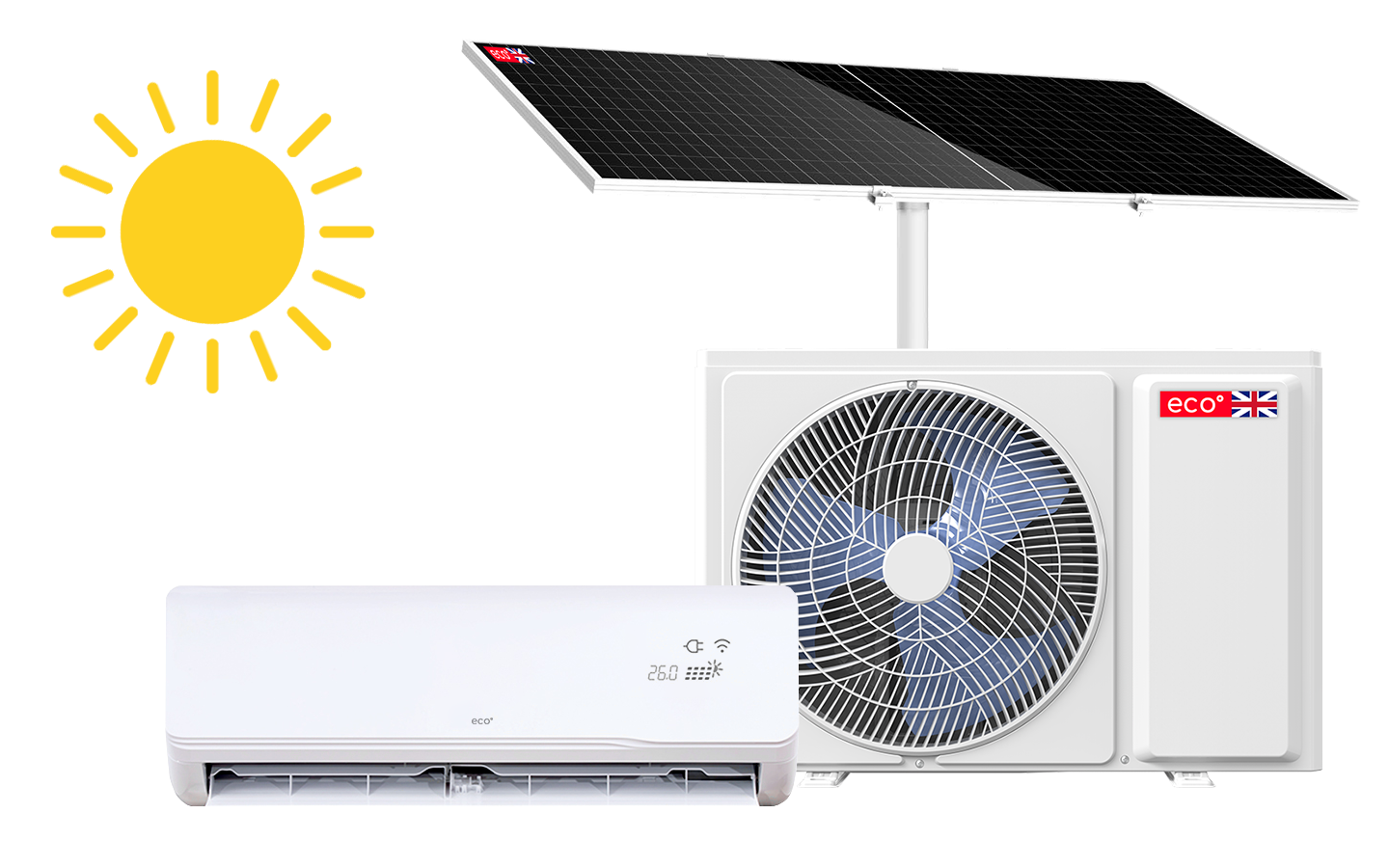
Solar Air Conditioning
Homeowners and businesses can benefit from solar-powered air conditioning equipment, providing 100% cooling without electricity
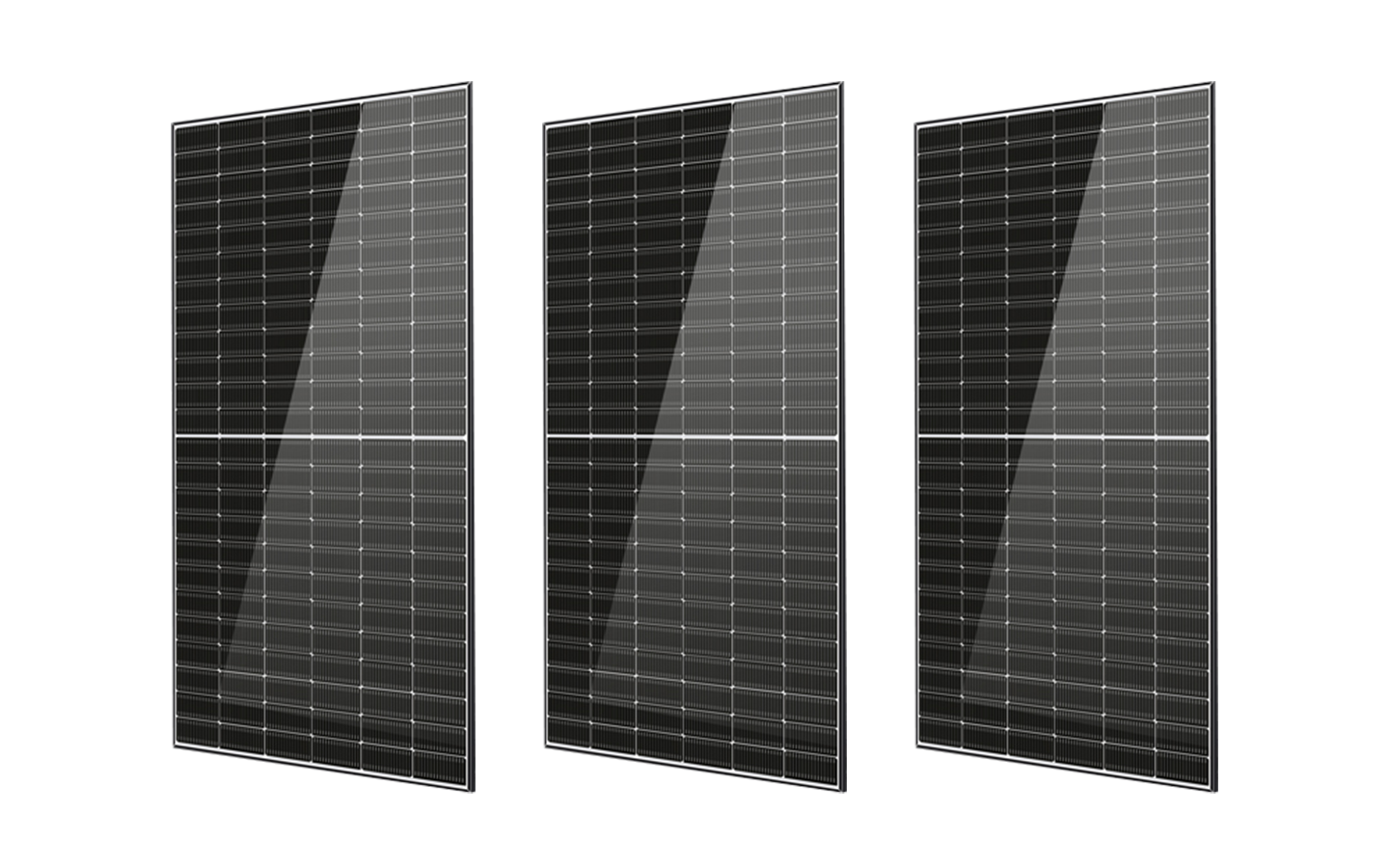
Solar PV Parks
Solar parks can be implemented on roof structure or ground (as covers), allowing for collection of energy via unused spaces
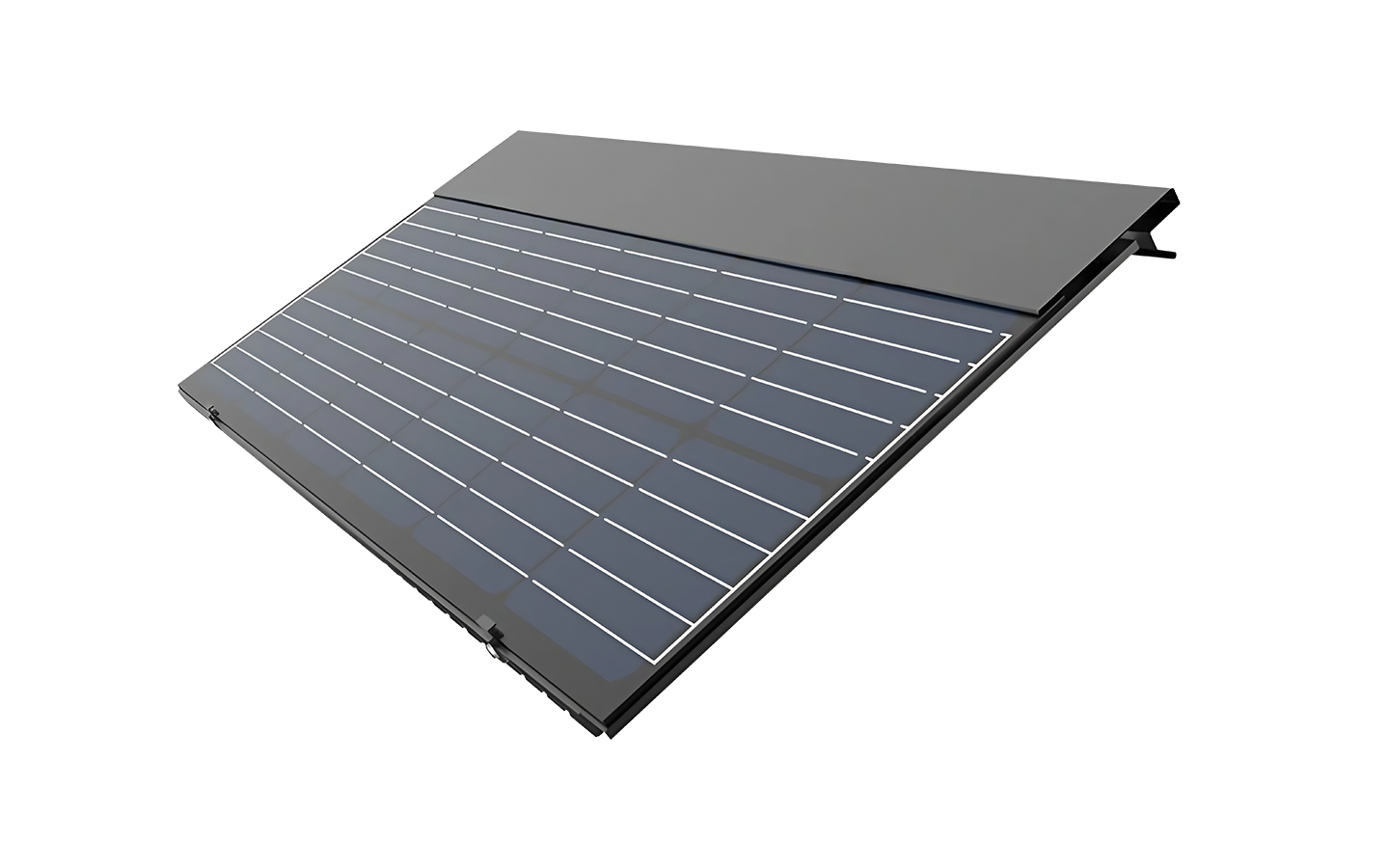
BIPV Roof Tiles
(Photovoltaic Integration in Buildings) - integrated directly into the roof tiles of buildings, capturing solar energy through roof claddings
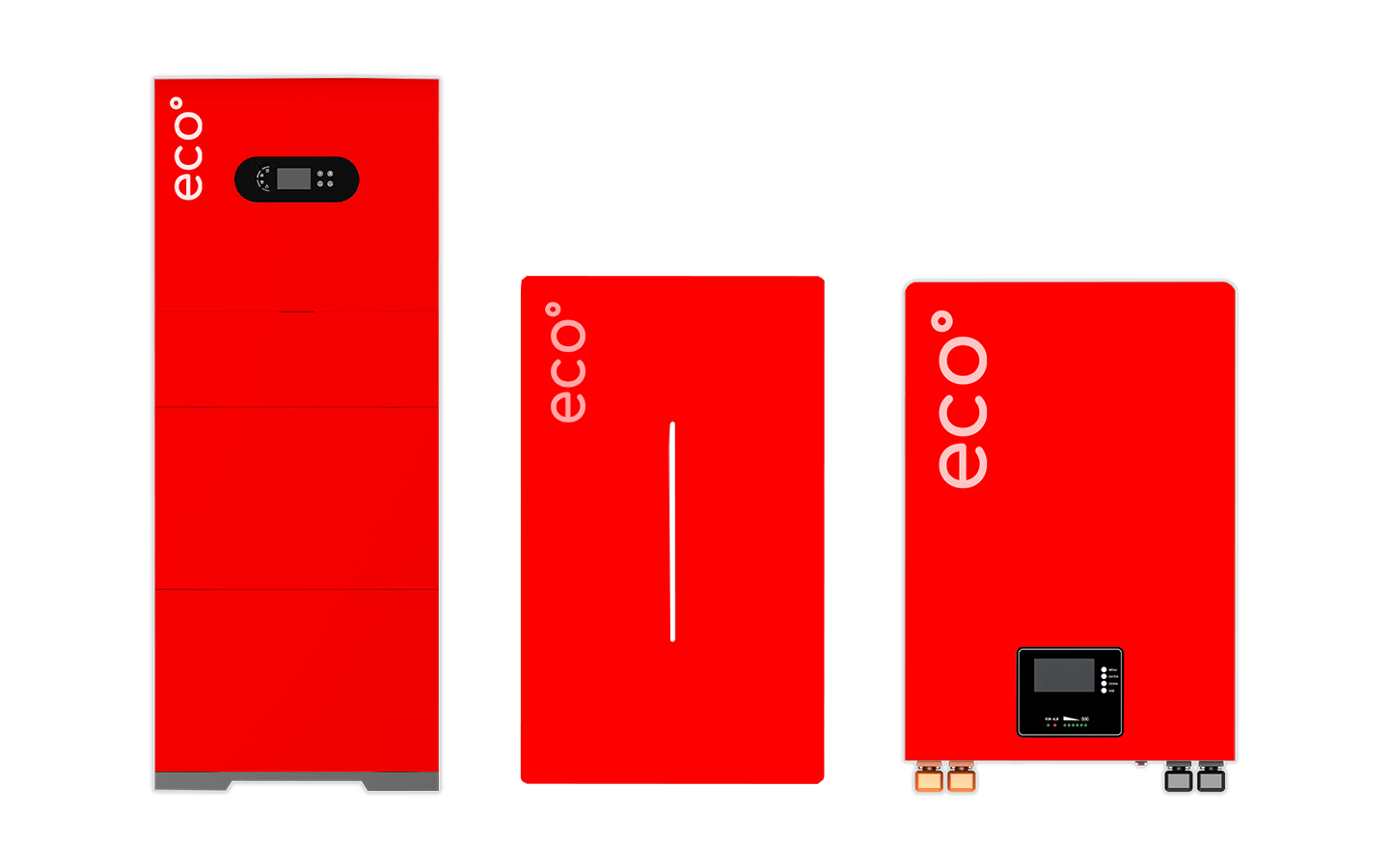
Home BESS
Our Home Energy Solar Solution (HESS) are available with a wide range of inverter type and battery storage capacities (1kWh to 15kWh)
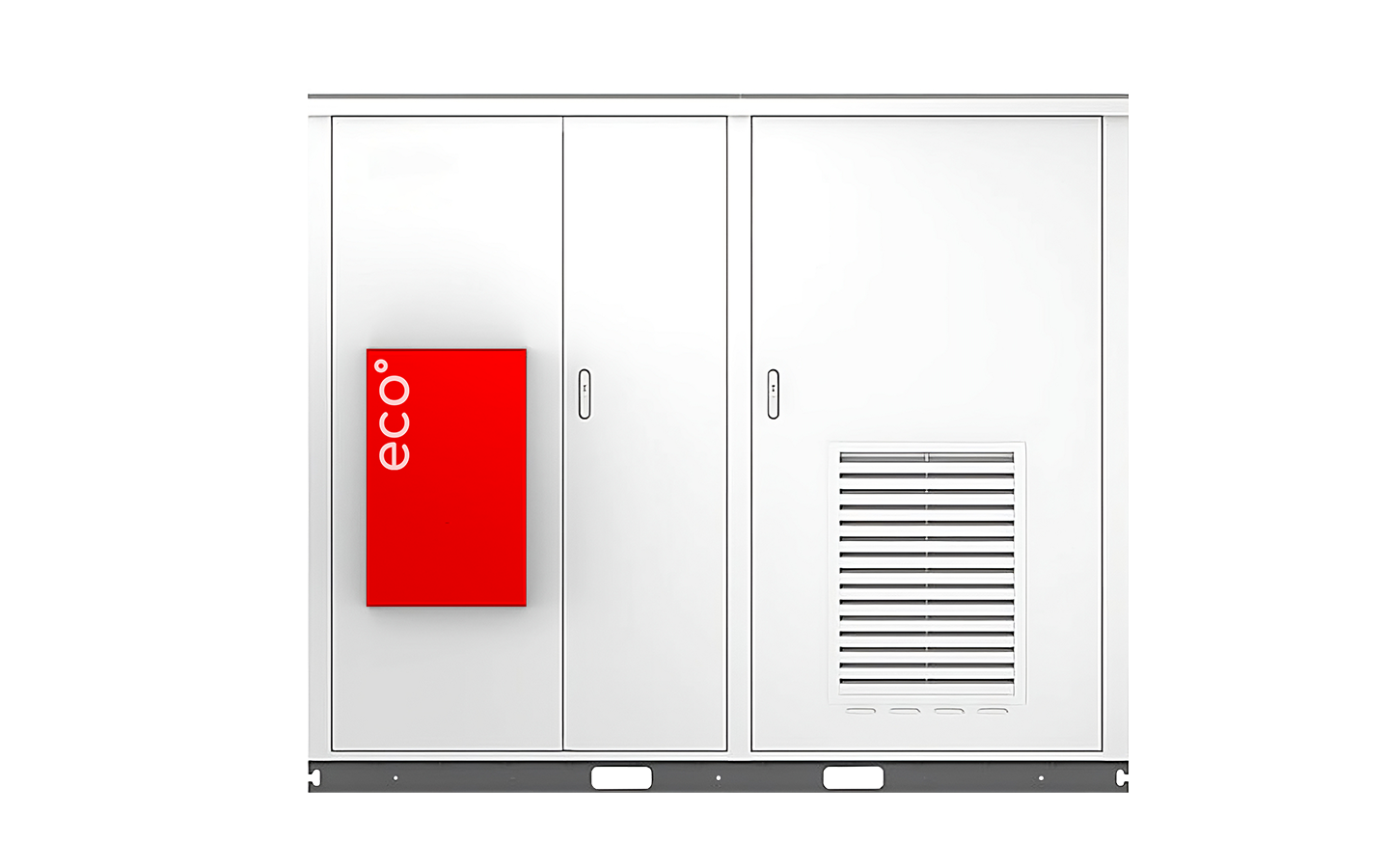
Commercial BESS
Ideal for enterprises that need to store, regulate, and distribute energy — microgrid for large-scale energy supply
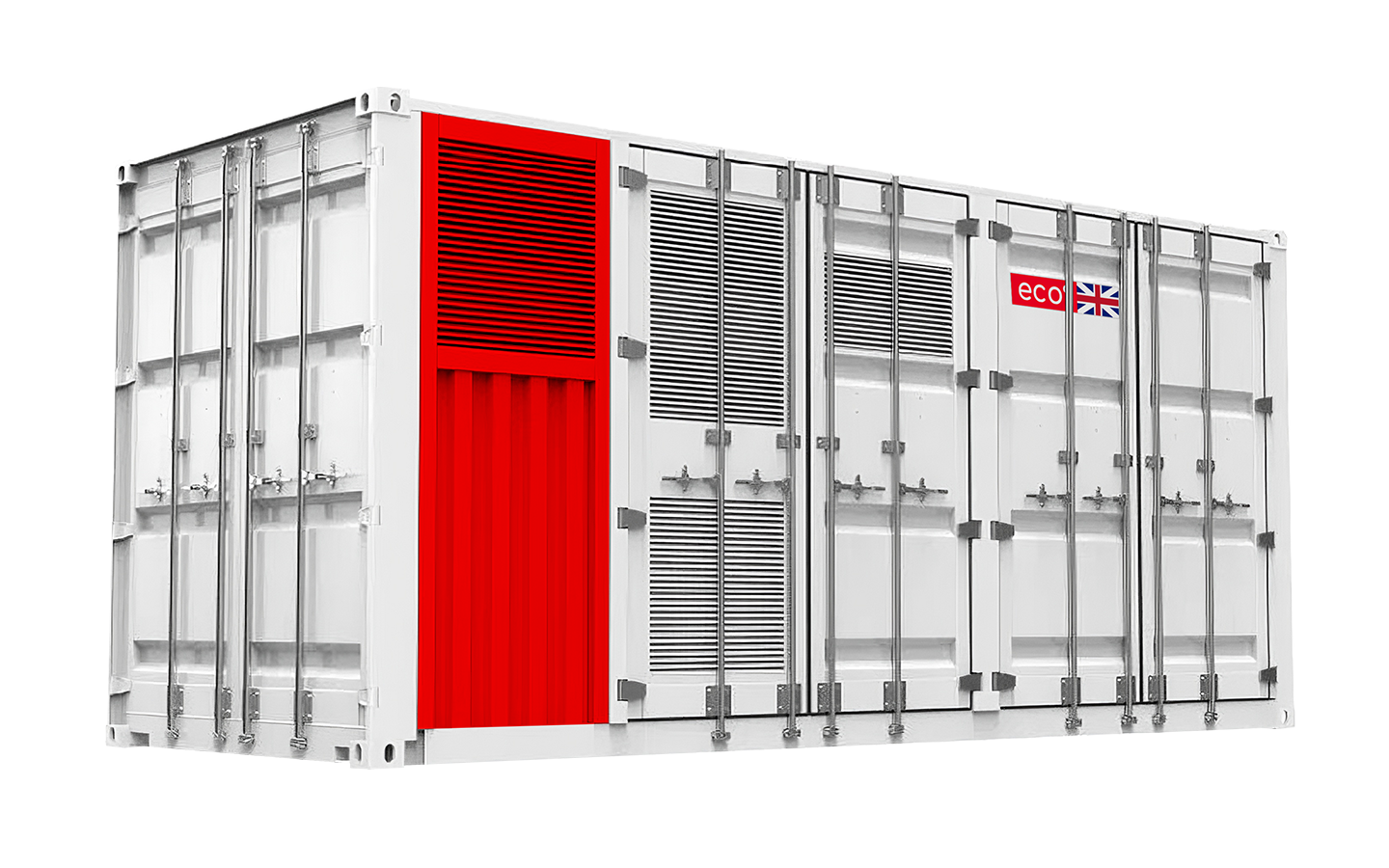
Industrial BESS
Ideal for large enterprises that need to store, regulate, and distribute energy — energy supply up to 3000kWh per unit
The Road Ahead: What FMA 2024 Tells Us About the Solar-EV Future
Future Mobility Asia 2024 was more than a trade show or a summit — it was a declaration. Asia’s mobility sector is not waiting for the perfect grid, the perfect policy, or the perfect technology before it electrifies. It is building the infrastructure it needs, with the resources it has, right now — and solar energy is increasingly at the heart of that infrastructure.
The Integrated Solar Hub model is rapidly maturing from a pilot concept into a mainstream deployment standard across the ASEAN region. The Solar-to-EV approach is being codified in policy, financed by government and private capital, and implemented at scale by companies that understand the region’s solar potential and infrastructure realities. And the home solar EV charging opportunity — once considered a premium technology for early adopters — is becoming accessible, affordable, and increasingly essential for anyone who owns or plans to own an electric vehicle in Southeast Asia
For homeowners, businesses, and communities ready to participate in this transition, eco° SOLAR offers a clear, proven, and regionally adapted pathway to generating your own solar power, storing it intelligently, and driving on the energy of the sun..
UK & EU (EMEA)
view our initiatives and network
LATAM REGION
view our initiatives and network
ASIA REGION
view our initiatives and network
N. AMERICA REGION
view our initiatives and network
AFRICA REGION
view our initiatives and network
MENA REGION
view our initiatives and network
Stay Up to Date
NEED EXPERT CONSULTANCY?
If you are looking for expert consultancy on your development, please reach out to us
engineering for the future
at eco° global industries, our key focus lies with innovative solutions and services to improve quality of life for our clients worldwide
explore and learn more about our corporation - we are represented by an international network of partners
get in touch
explore